You Can’t Scale What Has No Logic: The CEO Playbook for Educational Brands
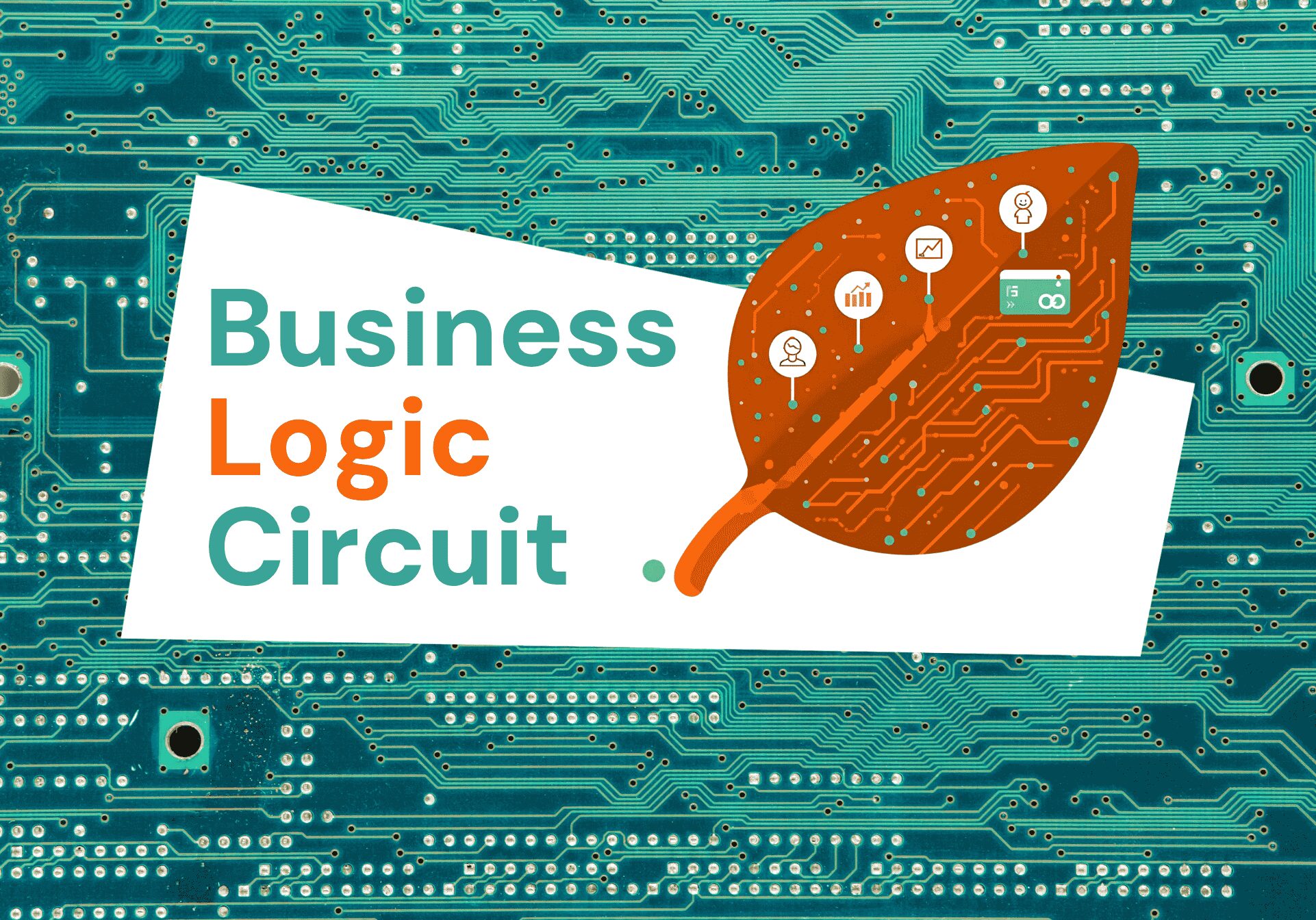
Everyone talks about growth: more locations, more classes, more revenue. But in the children’s-activity and education business, growth often becomes simply “more chaos” — more ad hoc decisions, more manual work, more stress.
According to a recent study by McKinsey & Company, mid-market companies (those with revenues between roughly $200 million and $2 billion) see significant potential to scale — but only when they “reinvent how they work.” McKinsey & Company
Similarly, a report by Deloitte Private shows that family-owned businesses (often analogous in structure to franchise networks) are projected to grow 84 % in revenue by 2030 — outpacing non-family peers — when they focus on long-term systems and clarity. Deloitte Italia
So what separates the few brands that grow smoothly from the many that grow chaotically? It’s not marketing. It’s not a big logo. It’s one thing: business logic.
Part 1: What Is Business Logic (and Why It’s the Real Engine of Scale)
Business logic is the invisible code of your organisation — the set of rules that determine how every decision gets made.
It’s about questions like:
- How do you price a class?
- When do you open a new location or group?
- How do you decide which trial converts to a full enrolment? If you can’t articulate that logic, you can’t scale it. Automation won’t save you if your underlying logic is fuzzy:
“Automation doesn’t fix unclear logic — it just makes mistakes happen faster.” For owners of children’s-activity brands, logic might mean everything from how you communicate with parents , to how you accept payments, track performance , and train instructors.
Part 2: The Economics of Scalability
Scaling isn’t simply doing things more — it’s doing things more profitably.Every brand that’s ready to grow has a cost and margin structure that makes sense. Before expanding from 1 to 10 locations ask:
- What is my unit of value ? Is it: one child, one class, one group?
- What is the margin on that unit?
- How do costs behave when volume doubles (or triples)? McKinsey’s survey found that top performing mid-cap companies focus on clarity of strategy and metrics — not just growth for growth’s sake. McKinsey & Company And Deloitte’s research confirms that businesses which are structurally clear and systematised are the ones set to grow most strongly in the next decade. Deloitte Italia If you don’t know your margins and cost logic, you’re not scaling — you’re gambling.
Part 3: The Five Parameters of a Scalable Business
Here are five essential parameters every brand must establish to scale confidently:
- Clear Unit of Value – Define exactly what you sell (experience, skill, result, membership) and how it translates into value for the customer.
- Consistent Processes – Documented, repeatable workflows for every key step: trial registration → payment → class delivery → feedback → upsell.
- Predictable Data Flow – Integration of website, CRM, payments, reporting so that data flows automatically and you can analyse performance.
- Transferable Know-how – Training, playbooks, brand standards and messaging that can be handed to a new location or franchisee .
- Tools That Amplify Logic – Technology and automation that supports your logic (rather than reinventing it every time). In practice: many successful franchises map the entire parent-journey in one document: from the moment a parent visits your website , to the moment they enrol their child — that becomes the logic you scale.
Part 4: Design Logic into Your Customer Journey
You can’t scale chaos — but you can scale clarity.Every touchpoint must feel predictable and consistent — both for the parent and for the franchisee or instructor.Think about it:
- A parent signs up for a trial — they receive an automated confirmation within minutes, a reminder 24 hours later, and a follow-up after the class.
- The instructor knows exactly what to say, how to upsell, how to enrol the child — no guesswork.
- Payment logic is built in : no sheets, no manual follow-ups, just clear rules and automation. When your website becomes more than “a brochure”, when it becomes the front-end executioner of your logic, you’ll stop firefighting and start scaling.
Part 5: When to Automate (and When Not To)
Automation is an invaluable lever — but it can also amplify bad logic.
Automate only when:
- The process is already working manually and well.
- You can measure the outcome of the process.
- The automation will improve speed, consistency or accuracy. If you automate ad-hoc fixes, you’ll just scale the mess.
“Good automation makes logic visible. Bad automation hides bad habits.” For example: automating follow-up messages after a trial is a winner. But automating random discounts because “we always do it” is a trap. Set the logic first. Then automate.
Conclusion: Scale Is a Consequence, Not a Goal
True scalability isn’t about hiring more people, opening more locations or buying more hardware.It’s about clarity in how you work, decide and deliver.
Every time you make your business logic explicit — in pricing, communication, payments, processes — you make your company more scalable.
Growth then becomes not an accident, but the natural consequence of clarity.